To mark centenary, Coffee Board to launch two high-yield, pest-resistant varieties
To mark centenary, Coffee Board to launch two high-yield, pest-resistant varieties
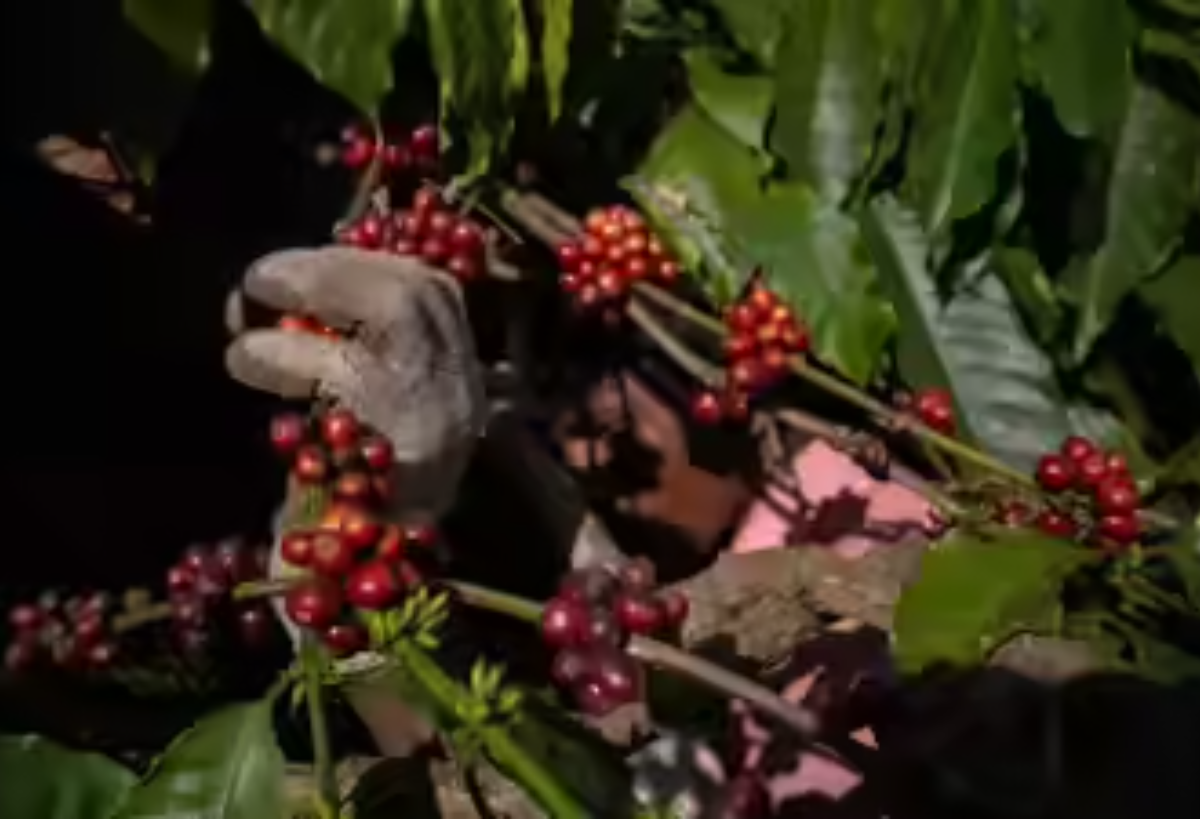
Bengaluru: Central Coffee Research Institute (CCRI), which turns 100 this year, will release two new coffee varieties that are pest-resistant and promise higher yields, the institute's first new offerings in 18 years.
Officials said the varieties will be launched during centenary celebrations at the end of Nov.
Located in Chikkamagaluru, CCRI functions under the administrative control of the Coffee Board of India. Organised coffee research in the country began in 1925 when the erstwhile Mysore govt set up the Mysore coffee experiment station near Balehonnur in Chikkamagaluru district. Following the formation of the Coffee Board, the station was brought under its jurisdiction and later evolved into CCRI.
The previous variety to be developed was Chandragiri, introduced in 2007. The new varieties include S4594, a seed line resilient to white stem borers, and S5086, a first-generation (F1) hybrid plant variety that is immune to leaf rust and is expected to provide a 10% higher yield. Names for the two varieties are still being finalised.
With limited cultivable land and coffee demand rising by 4% annually, officials say the introduction of higher-yielding varieties is critical.
In 2024-25, India's coffee production was an estimated 3.6 lakh tonnes from 4.9 lakh hectares across Karnataka, Kerala, Tamil Nadu, Andhra Pradesh, Odisha and the northeast. Karnataka alone produces 70% of the country's beans, and the districts of Kodagu, Chikkamagaluru and Hassan alone produced 2.5 lakh tonnes from 2.5 lakh hectares.
India's coffee exports reached an all-time high of $1.8 billion in 2024-25, while domestic coffee consumption has also shown remarkable growth, driven by the rapid expansion of coffee bars and cafés.
The scope to expand coffee cultivation in traditional producing states is limited
said M Senthil Kumar, director of research, CCRI. In this context, the release of two new coffee varieties is significant, as they are expected to increase yields by about 10% and reduce susceptibility to key infestations.
Officials say 80% of India's coffee produce is exported, mostly to markets in Europe which will begin enforcing the European Union's Regulation on Deforestation-free Products from mid-2026.
While certification and geotagging are underway to comply with deforestation norms, the launch of the new varieties comes at a crucial time to meet sustained demand from countries such as Germany and Italy for Indian Robusta.
Praveen HJ, CEO, Atal Incubation Centre, CCRI, said: Of the 5 lakh-plus coffee growers in the state, more than 1,000 are registered exporters with the Coffee Board. We are seeing younger generations get into value addition at the incubation centre.
Demand is soaring even domestically, with café-style setups becoming profitable in tier-2 and tier-3 cities too.
A Arvind Rao, chairperson of Karnataka Planters' Association (KPA), said research should shift towards climate resilience. Robusta, which is heavily exported, is already quite robust against pests. The current problem we're facing is the need for more consistent rainfall. Developing a drought-resistant variety is crucial, he said.

